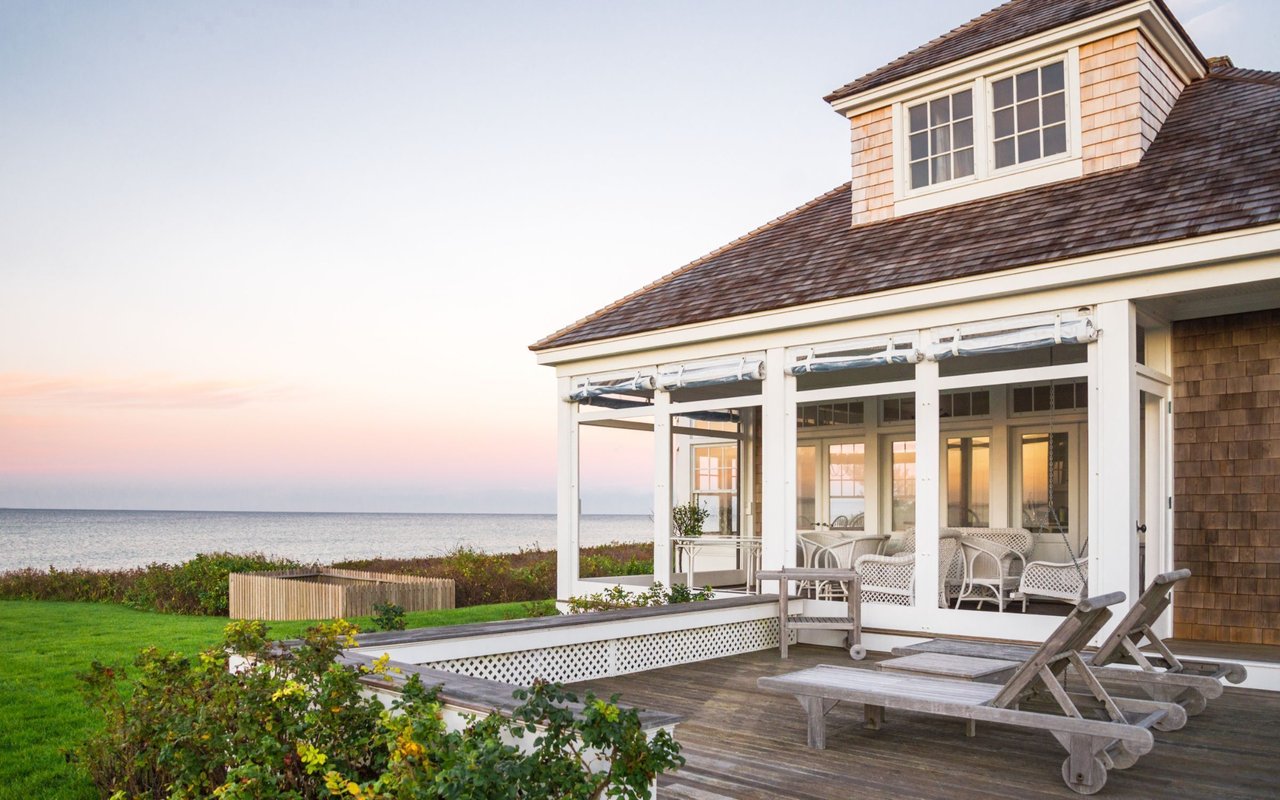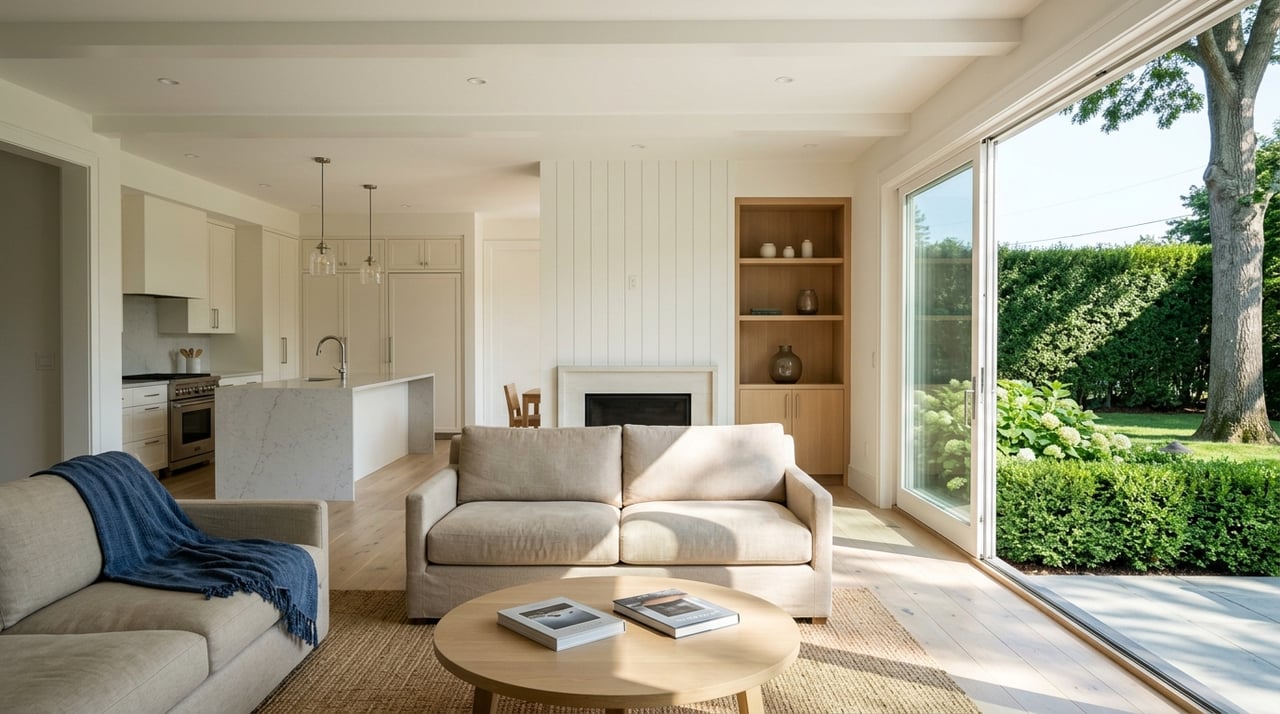
What makes a Montauk home worth buying: the beach lifestyle, the rental upside, or both? If you are looking at Montauk, the answer is usually lifestyle first and rental potential second. The strongest purchases tend to be the ones that fit how you want to use the property while also matching what guests actually value in this market. Let’s dive in.
Why Montauk draws buyers
Montauk sits at the eastern tip of Long Island in the Town of East Hampton, and its appeal is deeply tied to the outdoors. You are buying access to ocean and sound views, beaches, surf culture, hiking, fishing, and an easy rhythm built around being outside.
Montauk Point State Park is a strong example of that appeal. It offers Atlantic and Block Island Sound views, trails, surf fishing, seasonal surfing, and year-round shoreline access for walks and lighthouse visits. Nearby recreation areas such as Camp Hero, Montauk Downs, Hither Hills, Shadmoor, and Napeague add to the sense that Montauk is less about one destination and more about a full coastal lifestyle.
The Town of East Hampton also lists multiple Montauk beaches, which reinforces a simple point for buyers. In Montauk, location is not just about distance on a map. It is about how easily you can move from your home to the beach, outdoor recreation, and a relaxed day-to-night routine.
Why lifestyle leads the decision
If you are buying in Montauk, it helps to think of the home as a base for a specific way of living. Some buyers want surf access and beach mornings. Others want harbor sunsets, boating, or a quieter retreat closer to trails and scenic overlooks.
That is why the most successful purchases usually start with your own use case. Rental potential matters, but it works best when it grows out of a property that already delivers a clear Montauk experience.
Visit Montauk’s dining guide supports that idea. The local mix includes downtown spots, waterfront restaurants, breakfast stops, takeout, and both seasonal and year-round options such as Gosman’s, Gin Beach Café, Inlet Seafood, Navy Beach, Topside, Shagwong, the Surf Lodge, and Lobster Roll. For many buyers and renters, the value is in how easy it feels to combine a beach day, an outdoor dinner, and time around town.
Montauk areas to consider
Beach and surf core
If your priority is ocean access and surf culture, Ditch Plains, South Edison, and Kirk Park are key areas to study. Ditch Plains is known as a surfing beach, and its parking is resident-permit only. South Edison is a lifeguarded ocean beach with ADA rest rooms, vehicular beach access, and both paid parking and town-permit options.
Kirk Park adds another strong beach-oriented option with parking, a food truck, ADA rest rooms, and vehicular access. The Town’s beach driving guidance also shows that some access points are seasonally restricted and require a town permit. If you want a home that supports an easy beach routine, these details matter more than many first-time buyers expect.
Waterfront and harbor core
If you picture boating, sunset views, and a more social waterfront setting, East Lake, Gin Beach, and Fort Pond Bay may be a better fit. Gin Beach is a bay beach with a concession stand, rest rooms, and permit-only parking.
Fort Pond Bay Park offers a kayak and canoe launch ramp, a fishing pier, picnic tables, and access to Hither Woods Preserve. This part of Montauk also lines up well with the local dining scene, with waterfront options including Gosman’s, Inlet Seafood, Navy Beach, The Dock, and Topside. For many buyers, that combination creates a strong dual-use property: enjoyable for personal use and easy to position for guests who want a waterfront stay.
Quiet scenic core
If privacy, views, and a retreat feel matter most, Culloden Point and the Montauk Point area deserve attention. Culloden Point overlooks Fort Pond Bay and Block Island Sound and offers hiking, picnicking, bird watching, and photography.
Montauk Point adds ocean and sound views, trails, surf fishing, and year-round access. These areas can be excellent for a second home focused on scenery and downtime. In many cases, though, they are less aligned with walk-everywhere rental demand than the beach-town core.
What renters often value most
Montauk guests are often choosing a routine, not just a place to sleep. Local lodging pages consistently highlight the same features, and that gives buyers helpful clues about what supports rental demand.
Beach Plum Resort emphasizes direct beach access, outdoor showers, fully equipped kitchens, private decks, a heated pool, Wi-Fi, parking, and air conditioning. Solé East highlights a short walk to the village and beach, a heated pool, parking, climate control, and easy access to town. Port Royal promotes a pool, tennis, barbecues, parking, a private beach, and direct access to swimming, kayaking, paddleboarding, the harbor, restaurants, town, and the LIRR.
Taken together, those examples point to a clear pattern. In Montauk, renters often respond to convenience and outdoor livability as much as they do to size.
Features that support dual use
If you want a home that works for your lifestyle and has rental upside, focus on features that reduce friction. In Montauk, practical ease can carry real value.
Look closely at:
- Easy beach or waterfront access
- Straightforward parking
- Outdoor showers
- Decks and outdoor living areas
- Pools or other outdoor recreation features
- Air conditioning or climate control
- Functional kitchens
- Proximity to town, dining, or recreation
These are not guarantees of performance, but they do align with how local lodging properties present themselves. A home that makes beach days and evenings out feel simple often has broader appeal.
Understand Montauk rental rules early
Before you buy with rental use in mind, you should understand East Hampton Town’s rental rules. They are stricter than many out-of-area buyers expect, and they can shape what kind of property makes sense for you.
The town’s rental registry is a major part of that process. The registry packet calls for a self-inspection checklist, the latest certificate of occupancy or Building Department confirmation, and a $100 filing fee. The permit expires after two years, and the registry number must appear in advertisements.
The Building Department also says a signed and notarized update form must be submitted whenever tenancy changes. The town notes that owner-occupied homes renting one or two rooms, and homes occupied by immediate family, do not need to register. It also notes that a registry number does not automatically make every structure on the parcel legal to occupy.
Short-term rental limits matter
Montauk buyers should pay close attention to the town’s limits on shorter stays. East Hampton says a single-family residence rented for not more than two weeks on three or more occasions during any six-month period is considered unlawful motel use.
The town’s FAQ explains this in a practical way. An owner can rent a residential property up to twice in six months if each rental is under two weeks. Rentals of two weeks or longer have no limit on the number of times they can occur.
For non-owner-occupied rentals, the town’s FAQ also states a cap of four unrelated occupants and four cars overnight. That means bedroom count, parking layout, and the way the property functions day to day should all be part of your buying analysis.
Taxes should be part of underwriting
If rental income is part of your plan, tax compliance belongs in your numbers from the start. Suffolk County says short-term lodging of less than 30 days must collect a 5.5% occupancy tax.
New York State also says short-term rental unit occupancy is subject to state and local sales tax, with permanent-resident treatment after 90 consecutive days. The county guide says Airbnb and VRBO collect and remit the occupancy tax on some bookings, but direct bookings and other platforms still require reporting. State guidance also notes that cleaning, pet, and extra-person fees may be taxable.
How to choose the right Montauk purchase
The best Montauk purchase usually matches your intended guest profile and your own lifestyle goals. A surf-focused buyer may prioritize beach access and a simple outdoor setup. A harbor buyer may value boating access, waterfront dining, and sunset views.
If you see the home primarily as a retreat, the scenic and quieter sections of Montauk may be the right answer. If you want broader rental appeal, a location that supports beach time, easy parking, and simple access to town may be easier to position.
A thoughtful buying strategy often comes down to a few practical questions:
- How do you want to spend your time in Montauk?
- Which location best supports that routine?
- Does the home’s layout fit local occupancy and parking rules?
- Can you manage the registry, turnover, and tax requirements comfortably?
- Does the property offer the outdoor and convenience features guests tend to notice?
When those answers line up, you are more likely to end up with a property that feels good to own and easier to use well.
If you are weighing Montauk for both personal enjoyment and rental flexibility, a location-by-location strategy can make all the difference. The right guidance can help you narrow the field, evaluate tradeoffs, and focus on homes that truly fit your goals. To start that conversation, connect with the Hamptons Privé Team.
FAQs
What makes Montauk attractive to second-home buyers?
- Montauk attracts second-home buyers with its beaches, ocean and sound views, surf culture, hiking, fishing, and visitor-oriented dining scene, all of which support a strong coastal lifestyle.
Which Montauk areas are best for beach access?
- Ditch Plains, South Edison, and Kirk Park are key areas for buyers who want strong beach access and a surf-oriented lifestyle.
Which Montauk areas fit a waterfront lifestyle?
- East Lake, Gin Beach, and Fort Pond Bay are good areas to explore if you want boating access, sunset views, waterfront dining, and a more social harbor setting.
What do Montauk renters often look for in a home?
- Montauk renters often value direct beach access, parking, pools, air conditioning, kitchens, decks, outdoor showers, and easy access to town, dining, and recreation.
What is the East Hampton rental registry for Montauk properties?
- East Hampton Town’s rental registry helps enforce short-term rental and safety rules, and it requires items such as a checklist, occupancy documentation, a $100 fee, and a registry number in advertisements.
How often can you rent a Montauk single-family home for short stays?
- East Hampton Town says a residential property can be rented up to twice in six months if each rental is under two weeks, while rentals of two weeks or longer have no limit on the number of times they can occur.
What occupancy limits apply to some non-owner-occupied Montauk rentals?
- The town’s FAQ states that non-owner-occupied rentals are limited to four unrelated occupants and four cars overnight.
What taxes may apply to Montauk short-term rentals?
- Suffolk County says stays under 30 days must collect a 5.5% occupancy tax, and New York State says short-term occupancy is also subject to state and local sales tax, with permanent-resident treatment after 90 consecutive days.
How should you evaluate rental potential in Montauk?
- A practical way to evaluate rental potential is to look at location, parking, outdoor amenities, ease of access to beaches or town, and whether the property can be managed within East Hampton’s rental and tax rules.