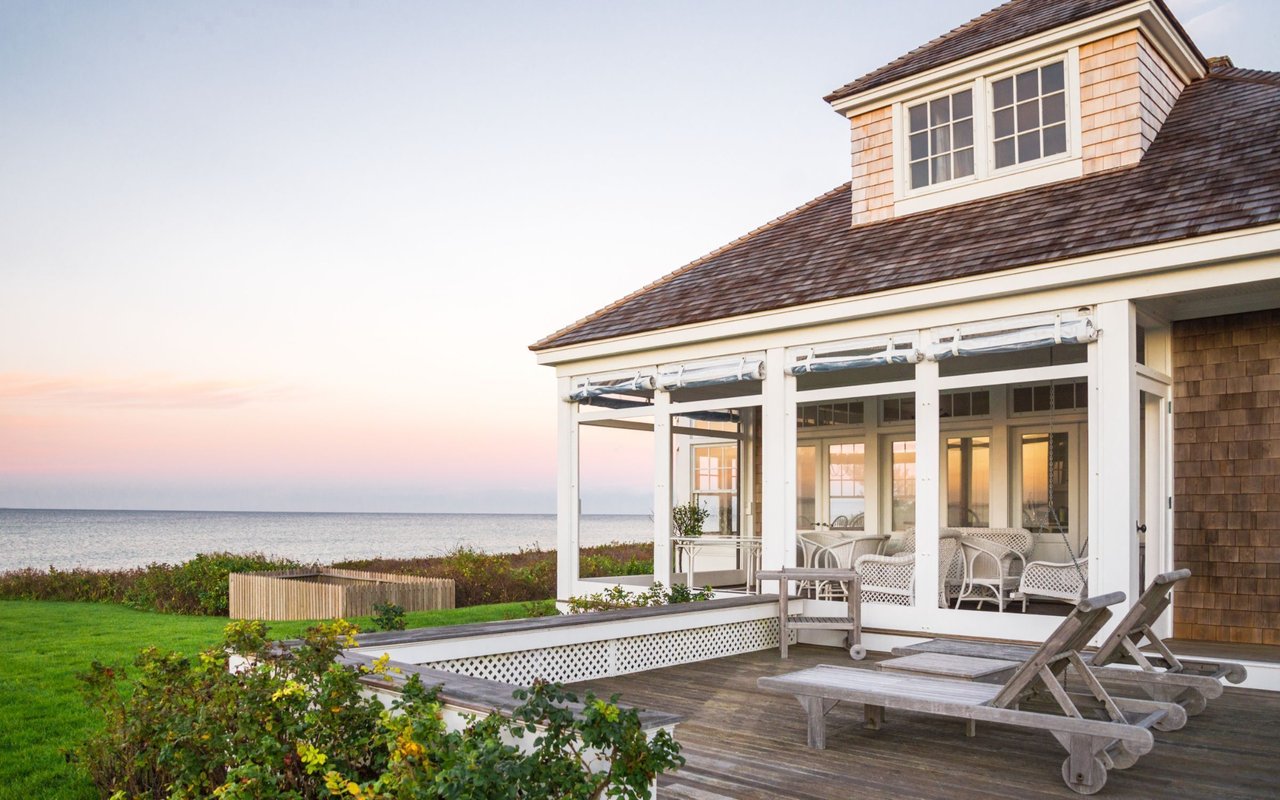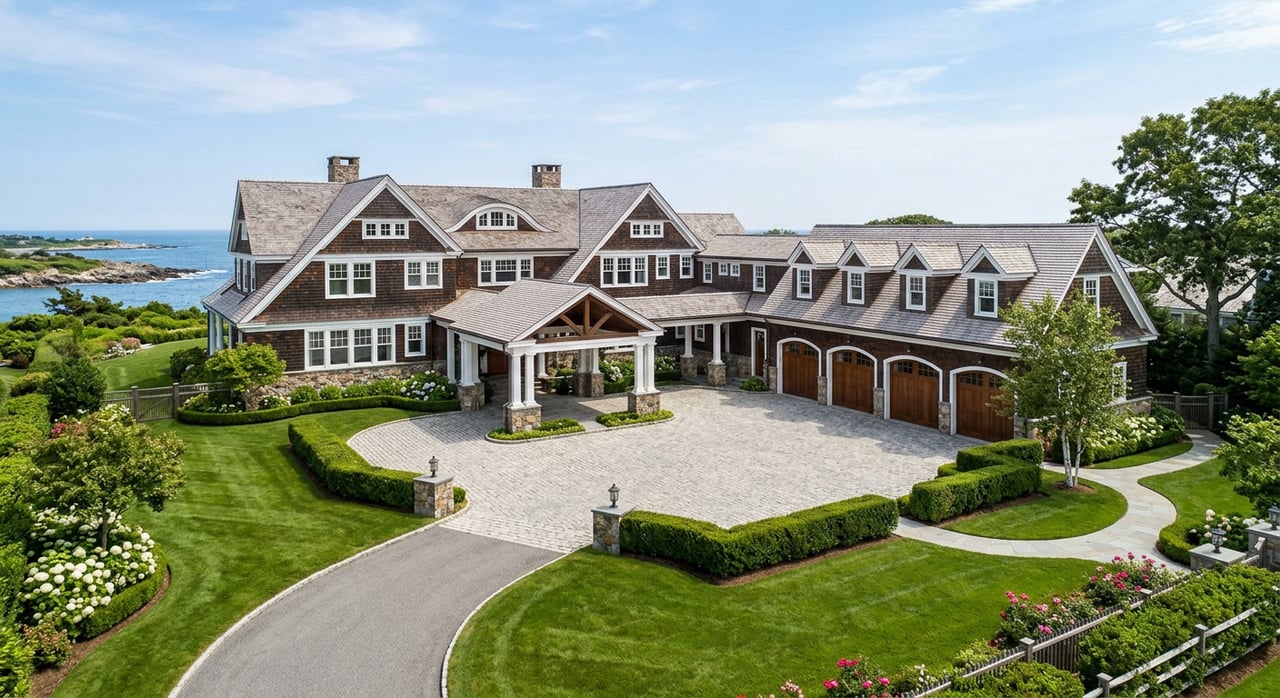
Is your Sagaponack estate truly ready for the most discerning buyers at the top end of the market? You may only get one clean shot at a record result, and it starts long before your first showing. With a clear plan, you can protect value, shorten days on market, and present your home the way trophy‑level buyers expect. In this guide, you’ll learn the practical steps that move the needle and how to position your property for premium outcomes. Let’s dive in.
Understand top‑end demand
Sagaponack by the numbers
As of late 2025, recent rankings place 11962 among the nation’s priciest ZIP codes for median sale price, underscoring the area’s ultra‑luxury profile (recent rankings). Within the Hamptons, reporting shows the very top tier stays active even when the mid‑market softens, fueled by cash buyers and scarce, move‑in‑ready inventory (industry analysis of Q3 2025). If your estate presents as turnkey and institutionally marketed, you keep more leverage.
What top buyers value
High‑net‑worth buyers focus on a few consistent priorities:
- Architectural pedigree and documented build quality.
- Site and sightlines, especially protected farmland or ocean orientation.
- Deeded beach rights or defined ocean access over proximity alone.
- Privacy, acreage, and secure approach.
- Turnkey readiness with high‑quality finishes and reliable systems.
- Capacity for institutional services such as advanced security and staffed grounds.
Wellness features, sustainability, and integrated smart‑home systems are increasingly expected at this level. When in doubt, lead with clarity and documentation.
Prepare the house first
Document systems and repairs
Start with the fundamentals. Assemble maintenance logs and records for HVAC, roof, electrical, plumbing, and septic. For coastal or low‑lying parcels, plan ahead for an elevation certificate and flood documents. Correct visible deterioration, resolve water intrusion, and replace aging mechanical components. At the trophy level, unresolved issues are deal breakers.
Focused kitchen and bath refresh
If updates are needed, choose targeted, midrange improvements rather than disruptive gut renovations. Cabinet refacing, a top‑tier appliance package, new counters, and lighting can modernize without extending your timeline. Remodeling cost‑versus‑value studies show midrange kitchen work and select exterior improvements often deliver stronger resale payback than oversized luxury builds (cost vs. value benchmarks).
Elevate grounds and privacy
Arrival and approach
First impressions set the tone. Resurface the drive, clarify sightlines from gate to entry, and create clean guest parking. Update exterior lighting and entry door finishes, and ensure discreet, appropriate signage for a high‑profile estate.
Views and screening
Prune to reveal intended view corridors and stage exterior social nodes like terraces, pool cabanas, and fire features. Balance “film‑ready” vistas with privacy using double‑row hedges, berms, or mature plantings. If your parcel touches conservation easements or protected view corridors, coordinate with the village and any easement holder before large plantings or changes to sightlines.
Stage for scale and light
At the ultra‑luxury level, professional staging is expected for main living areas, the principal suite, and outdoor rooms. Neutral, high‑end furniture helps buyers visualize volume and circulation, and an intentional art plan keeps focus on architecture. Research from the National Association of Realtors shows staging improves buyer visualization and can shorten days on market (NAR staging research). Prepare a detailed inventory and storage plan for personal items.
Build world‑class media
Photo, film and floor plans
Commission a luxury‑market photographer experienced with estates. Plan interior HDR, twilight exteriors, and dedicated landscape and amenity stills. For waterfront orientation, add drone footage of shoreline approach and a map‑style drone sequence that shows beach paths or private access. Include a cinematic highlight film plus a longer estate film for discreet distribution, architect‑grade floor plans, and a measured features list with MEP and HVAC specs. Matterport or similar 3D tours are standard for international and remote buyers.
Drone rules that protect you
All commercial drone flights must be conducted by a Part 107 remote pilot and comply with current FAA Remote ID and operational rules. Plan flights to avoid overflying neighboring properties when capturing sightlines. Review the latest guidance from the FAA before scheduling aerials (FAA Remote ID overview).
Clear legal items early
Title, survey and easements
Order a current title report and an ALTA/NSPS survey. Identify any recorded conservation easements, deed restrictions, or purchase of development rights that affect building envelopes and view claims. Sagaponack has a long history of view and conservation considerations, and village records reflect how easements can shape what you can represent in marketing (village records and easement context).
Shoreline access and rights
Clarify beach access. Distinguish between deeded private rights and public access via Town road ends such as Sagg Main or Gibson Lane. Buyers will ask about parking permits, Right‑of‑Way rules, and any recent or planned beach renourishment that could affect your shoreline experience. The Town of Southampton publishes access and permit guidance you can reference in your packet (Town rules on access and permits).
Flood zone documentation
For ocean‑edge or low‑lying sites, obtain FEMA FIRM status, a current elevation certificate, and statements from your flood carrier. Under FEMA’s Risk Rating 2.0, premiums and buyer sensitivity to flood risk have increased, so your listing materials should be precise about elevation relative to Base Flood Elevation and any prior claims. Coordinate with your insurer and a local civil engineer before marketing flood‑sensitive amenities (Risk Rating 2.0 overview).
CPF transfer tax awareness
On East End sales, the Community Preservation Fund (CPF) transfer tax is collected at closing. Rates vary by town and can influence net proceeds and negotiations, so include a current estimate in your materials and advise buyers to verify with their counsel. For general background, review a town CPF overview as part of your packet (CPF overview example).
Privacy, showings and channels
Quiet launch vs. public debut
You can start with confidential outreach to vetted broker and wealth networks, then time a refined public launch for peak showing months. Off‑market or pocket approaches suit high‑profile owners who prioritize discretion, but they may limit competitive tension. Many sellers use a hybrid, moving to the MLS after an initial round of private tours.
Vetting and security
Use NDAs and proof‑of‑funds letters before private showings. Coordinate with staff for temporary procedures during open houses, and consider support from private security or local law enforcement for high‑visibility events. A clean plan protects privacy while maintaining a calm, professional experience for qualified buyers.
When auctions fit
For certain estates with broad appeal, strong provenance, and complete documentation, an auction can be a purposeful strategy to produce a defined liquidity event. The 2024 sale of La Dune in Southampton highlighted how a properly structured auction can generate a headline outcome when the fundamentals are exceptional (La Dune auction coverage). Auctions are not a fit for every property and require early legal cleanup and institutional marketing.
Timing and pricing discipline
Prime windows
The public listing window that draws the most in‑person activity typically runs from late April through July, when properties show best and buyers are present. Off‑season can work for very exclusive offerings or targeted international outreach, but expect fewer showings and a longer runway.
Valuation approach
At the top end, small sample sizes can shift medians, so lean on documented comparables, unique site attributes, and replacement cost context rather than headlines alone. Price with a clear narrative that supports your premium: deeded access, protected views, pedigree, privacy, and turnkey status. Then defend it with evidence in your property book.
8–12 week pre‑list plan
- Weeks 1–2: Pull title, order ALTA survey, schedule pre‑listing inspection, and request an elevation certificate if relevant. Assemble permits, systems logs, and operating history.
- Weeks 2–5: Complete priority systems work and visible repairs. Execute a focused kitchen or primary bath refresh if approved. Begin landscaping cleanup and finalize staging plan, including off‑site storage.
- Weeks 5–7: Capture professional photography, twilight exteriors, drone footage, and Matterport. Produce architect‑grade floor plans, spec sheets, a property book, and a compact digital PDF for wealth networks.
- Week 8: Start controlled pre‑marketing to vetted brokers and qualified buyers. Time public launch with prime viewing windows and aligned PR, if desired.
Features that earn premiums
- Deeded private beach or ocean access compared with public access only.
- Unobstructed farmland or pond sightlines, especially where neighbors are protected by conservation easements or PDRs.
- Architectural pedigree with original plans, material specs, and Certificates of Occupancy.
- Turnkey operations package, including staff plans, warranties, and security systems.
- Privacy and security, from gated entries to art‑ready storage.
Next steps
If you are preparing to list a Sagaponack estate at the top end, start with documentation and systems, then elevate presentation across grounds, staging, and world‑class media. Clear legal items before launch, choose the right sales channel for your privacy goals, and time the debut to meet buyer demand. When every detail is addressed, you protect leverage and give qualified buyers a clear reason to move fast.
If you would like a tailored pre‑listing plan, a market‑ready property book, or discreet pre‑market outreach backed by Brown Harris Stevens’ institutional marketing, reach out to David Tenenbaum. We will walk your grounds, set priorities, and manage the entire process with discretion.
FAQs
What should Sagaponack sellers fix first?
- Start with systems and documentation, then resolve visible deterioration and water issues before any cosmetic changes.
Do I need an elevation certificate near the ocean?
- Yes if your parcel is ocean‑edge or low‑lying, since buyers and insurers will ask for precise elevation and flood risk data under FEMA’s Risk Rating 2.0.
How important is deeded beach access to value?
- Very important at the top end, since deeded private access typically commands a premium over proximity or public access alone.
Can I add hedges to increase privacy?
- Yes, but review conservation easements and protected view corridors first to avoid conflicts and disclosure issues.
When is the best time to launch publicly?
- Late spring through mid‑summer captures peak buyer presence and the best showing conditions for grounds and light.