Are you picturing morning coffee by Main Street, an easy walk to the harbor, and a compact village routine? Or do you keep coming back to the idea of a larger lot, more separation from neighbors, and a quieter setting just outside the center? If you are deciding between Sag Harbor Village and the surrounding outskirts, the right choice often comes down to how you want to live day to day. Here is a clear look at the tradeoffs so you can focus your search with more confidence. Let’s dive in.
Sag Harbor at a Glance
Sag Harbor is a compact village in Suffolk County that spans both Southampton and East Hampton. Village sources describe it as roughly 2 to 2.3 square miles, which helps explain why the harbor, Main Street, and nearby residential streets feel closely connected.
That compact form matters for buyers. Sag Harbor is not a place defined by endless new development. Village planning documents note that vacant land is limited, the land-use pattern is already well established, and development control plays an important role.
Why Village Buyers Choose the Core
If you want convenience and a more walkable routine, the village core usually stands out. The commercial district is centered around Main Street, and village materials have long described Sag Harbor as pedestrian oriented.
The harbor also plays a practical role in daily life. Village marina information notes that dockage and moorings are a short walk from shops, restaurants, and public bus transportation, with nearby access to services like fuel, ice, laundry, and marine support.
For many buyers, that translates into a very specific lifestyle. You can spend less time getting in the car and more time enjoying the village itself. If that rhythm is what draws you to Sag Harbor, the core is often the strongest fit.
Daily Convenience in the Village
Village living can feel more structured than a suburban setup, especially when it comes to parking. As of 2026, resident permits allow up to four hours in the Bridge Street and Meadow Street municipal lots, with all-day parking permitted at Havens Beach when a valid permit is displayed.
That detail may seem small, but it helps set expectations. In the village, convenience comes from proximity and walkability, not from the kind of parking and lot layout you might expect in a lower-density setting.
Historic Character and Housing Style
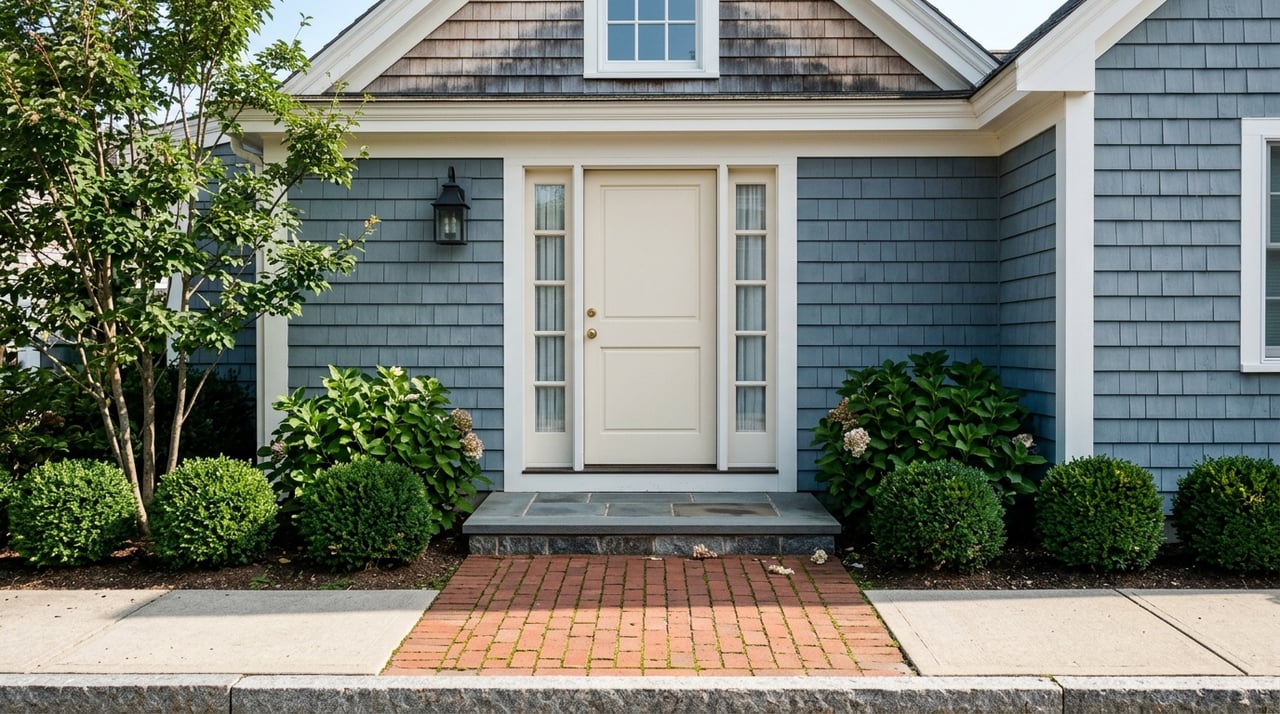
The heart of Sag Harbor includes a large historic district that covers the central business district and nearby residential streets. A 2019 survey reported 882 contributing resources, with many wood-framed homes in styles such as Federal, Greek Revival, Victorian, and Queen Anne.
Buyers who love architectural character often respond strongly to this part of Sag Harbor. The setting feels layered and established, and many homes sit on relatively small parcels of less than a half-acre. That pattern supports the village feel, but it also means your lot size may be more modest than what you would find outside the core.
Why Some Buyers Prefer the Outskirts
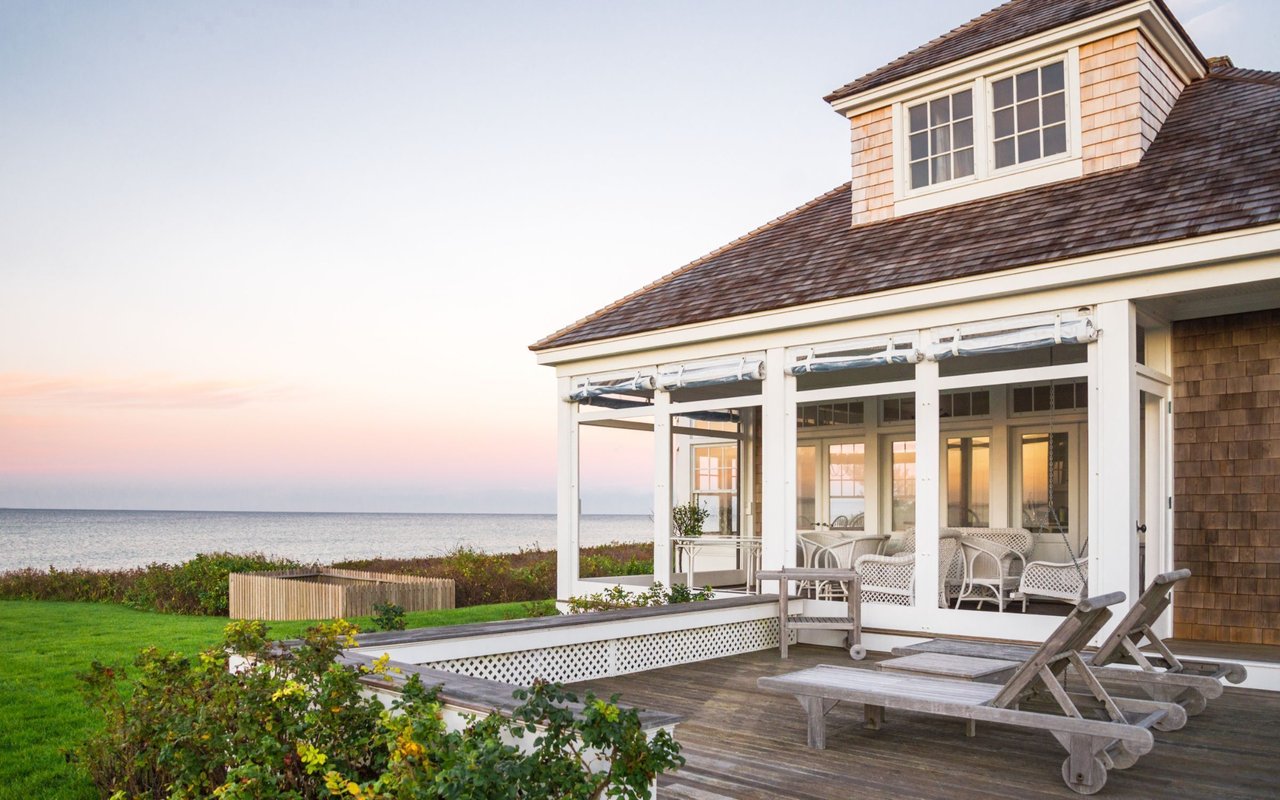
The roads and outer pockets around Sag Harbor offer a different kind of appeal. They are not one uniform area, but village documents describe some of these settings as less densely packed, more wooded, and shaped by larger suburban-style lots.
For buyers who prioritize space, privacy, and a quieter residential feel, that can be the deciding factor. Instead of being steps from Main Street, you may get more separation between homes and a stronger sense of retreat.
More Land and More Privacy
One of the clearest differences between the outskirts and the village core is lot pattern. Village materials contrast the closely built historic core, with small and often irregular lots, against outer areas that feature freestanding homes on larger lots.
That difference affects how a property lives. A larger yard can give you more room for outdoor use, a stronger buffer from nearby houses, and a setting that feels less tied to the daily motion of the village center.
A Different Street Experience
Some outer districts also have a more car-oriented layout. In the HBBC overlay district, village law states that roads are not to be improved with sidewalks, reinforcing a less walkable environment than the village core.
That does not make one option better than the other. It simply means your daily routine may look very different. If you like driving to the village and returning to a quieter residential setting, the outskirts may be more aligned with your goals.
Walkability Versus Seclusion
For most buyers, this is the real comparison. The village core offers walkability, direct access to Main Street, marina proximity, and a tightly woven streetscape. The outskirts offer larger lots, more privacy, and a more secluded feel.
A good way to think about it is this: in the village, you are buying into closeness and convenience. Outside the center, you are often buying into space and separation. Neither is automatically the better value. The better choice depends on what you want your weekends, summers, or year-round routine to feel like.
Renovation Rules and Planning Matters
If you plan to renovate, expand, or significantly alter a property, location matters here too. In the village core, buyers may face more review layers because of the historic district, the Board of Historic Preservation and Architectural Review, and building rules related to setbacks and lot coverage.
That does not mean change is impossible. It means you should go in with a clear understanding of what approvals may be needed and how the property’s setting could shape your plans. In a market like Sag Harbor, where preservation is part of the village identity, this can be a meaningful part of your buying decision.
How to Think About Budget
It is helpful to avoid viewing this as a simple question of cheaper versus more expensive. The better lens is proximity and convenience versus land and privacy.
Village planning materials show a compact area with limited vacant land and well-defined development patterns. Combined with the small-lot pattern and strong connection to Main Street and the harbor, that suggests buyers in the village are often paying for access, character, and an established setting.
On the outskirts, buyers may place more value on larger lots, lower density, and a quieter environment. In other words, the money may be working differently depending on where you buy. One purchase leans toward village immediacy, while the other may lean toward retreat value.
Which Buyer Fits Each Option
If you are happiest when you can walk to restaurants, shops, and waterfront activity, the village core may feel like the clearest answer. It is also a strong match if you appreciate historic architecture and a more compact daily routine.
If you want more outdoor space, a less dense setting, and a stronger sense of privacy, the outskirts may deserve closer attention. That can be especially true if you do not mind driving into the village rather than living right inside it.
The key is to match the property to your actual habits, not just your wish list. Sometimes buyers fall in love with village charm but realize they need more space. Others begin by asking for acreage, then decide that being able to walk into town matters more than they expected.
A thoughtful search should test both possibilities. Seeing the village core and the surrounding roads back to back is often the fastest way to understand what feels right for you.
If you are weighing Sag Harbor Village against the outskirts, a focused tour can quickly clarify which setting best matches your priorities. The Hamptons Privé Team can help you compare walkability, privacy, renovation considerations, and overall lifestyle fit so you can move forward with confidence.
FAQs
What is the main difference between Sag Harbor Village and the outskirts for buyers?
- The main difference is lifestyle: Sag Harbor Village offers walkability, harbor access, and a compact setting, while the outskirts generally offer larger lots, more privacy, and a quieter, less walkable feel.
Is Sag Harbor Village more walkable than the surrounding roads?
- Yes. Village materials describe the core as pedestrian oriented, with marina facilities, shops, restaurants, and some services within walking distance.
Do homes in Sag Harbor Village usually have smaller lots?
- Yes. The village historic survey says homes in the core are typically on relatively small parcels of less than a half-acre.
Are the outskirts of Sag Harbor better for buyers who want privacy?
- In many cases, yes. Village documents describe outer pockets as lower-density areas with larger lots, more separation between houses, and in some places a more wooded and secluded setting.
What should buyers know about renovating in Sag Harbor Village?
- Buyers should expect more review in the village core because of the historic district, the Board of Historic Preservation and Architectural Review, and rules tied to setbacks and lot coverage.
How should buyers budget for Sag Harbor Village versus the outskirts?
- It helps to think less in terms of simple price and more in terms of what you are prioritizing: village proximity, walkability, and character, or larger lots, privacy, and retreat-style living outside the core.